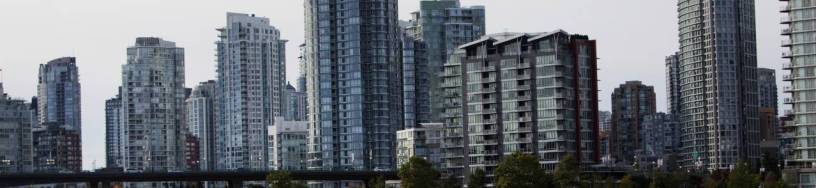
It’s a product of one of the largest financial flows of the 21st century: The money being frenetically shuffled by millions of wealthy Chinese into safe assets abroad, in defiance of their country’s capital controls. Since mid-2014, capital flight from China may have totaled as much as $800 billion, according to estimates from the Institute of International Finance.
In Vancouver, the tidal wave has wrought a dramatic economic, demographic, and physical transformation. Alberni Street, a formerly dowdy downtown thoroughfare, has in the past decade welcomed a two-level Prada boutique with a black marble facade, one of the largest Rolex showrooms in North America, and a 62-story tower with a five-star Shangri-La hotel. All have Mandarin-speaking staff. In May, Rolls-Royce chose Vancouver to unveil its first sport utility vehicle, which starts at more than $300,000, hosting a Champagne reception at its sleek new local dealership in an upmarket neighborhood about two miles south of Alberni. Six sold on the first day—bound, perhaps, for the “car condo,” a kind of luxe garage with customizable suites that’s being built in a majority-Asian suburb. The units start at more than C$800,000, and the first batch recently sold out.
Much of the money coming in has been legitimately earned, if sometimes extricated by gray-market means. But officials say that a substantial proportion is the proceeds of corruption or crime, including the illegal sale of opiates such as fentanyl. With public anger rising over astronomical housing prices and an economy distorted by wealthy outsiders, British Columbia’s left-leaning government—elected last year on a platform focused on calming the real estate market—is building a global laboratory for policies meant to restrain the arrival of Chinese money. The province is hiking taxes, toughening transparency rules, and tightening oversight of casinos and financial institutions.
