Four out of every five British teens have their hormones upset by gender-bending chemicals found in plastics, new research suggests.
The chemical, called bisphenol A (BPA), is used to make plastics, including materials that come into contact with food.
But it can mimic the female sex hormone, estrogen, and cause a lower sperm count in men.
The chemical is also thought to be linked to several different types of cancer, including breast and prostate.
Researchers at Exeter University studied the blood and urine of 94 teenagers aged 17-19 and found 80 percent had the hormone-disrupting chemicals in their bodies.
BPA is legal in the UK. In the United States, things are more complicated. The FDA said in 2012 that baby bottles and child sippy cups could not contain BPA and it is banned in a number of states. However, it is still legal in products intended for adults in many states.
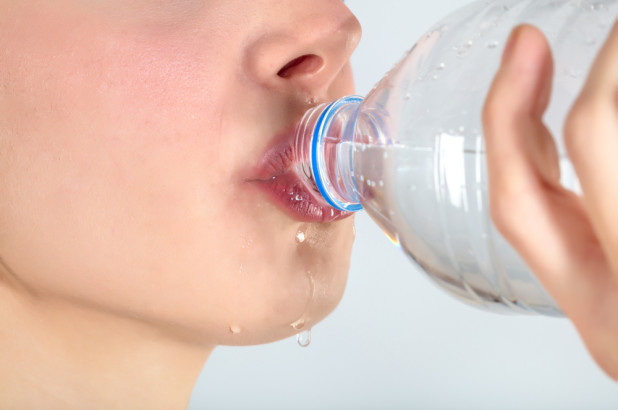
BPA is used in plastics including refillable drinks bottles and food storage containers, as well as protective coatings and linings for food and drinks cans.
It is also used to develop dye in thermal paper, which is used for store sales receipts, and public transport and parking tickets.
The European Chemicals Agency (ECA) has identified the chemical as a “substance of very high concern” and will restrict the use of it in our receipts by 2020.
Members of the ECA committee warned that BPA can disrupt the body’s endocrine system, which is the collection of glands that produce hormones.