
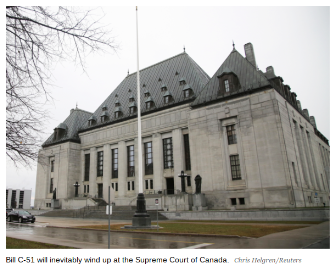
The shadow of Ghomeshi looms over Bill C-51, but it also comes during the MeToo era and concern the trial process is still too hostile towards accusers
“A foundation of Canada’s criminal justice system is that the burden is on the state to prove its case, not on the accused to prove their innocence. For that reason, the Crown must disclose its evidence, but the accused can keep their cards close to their chest. This is particularly important when it comes to cross-examination of Crown witnesses. Defendants can use evidence in their possession to try to prove witnesses gave misleading or false testimony. Cross-examination is at the heart of what’s called the “truth-seeking function” of a trial.
But in this new admissibility process, the defendant has to reveal what they plan to use at trial — texts, for example — and why they want to use it. Furthermore, C-51 gives the complainant the right to have their own lawyer in these hearings. The complainant can use that information to tailor their future testimony. “Armed with knowledge of the content of the defence brief, a complainant is unlikely to supply the foundation for contradiction,” is how Ontario judge Timothy Breen succinctly put it in a recent ruling.”
Link to Source: https://nationalpost.com/news/liberals-sex-assault-trial-reforms-run-into-trouble-as-more-judges-find-charter-violations